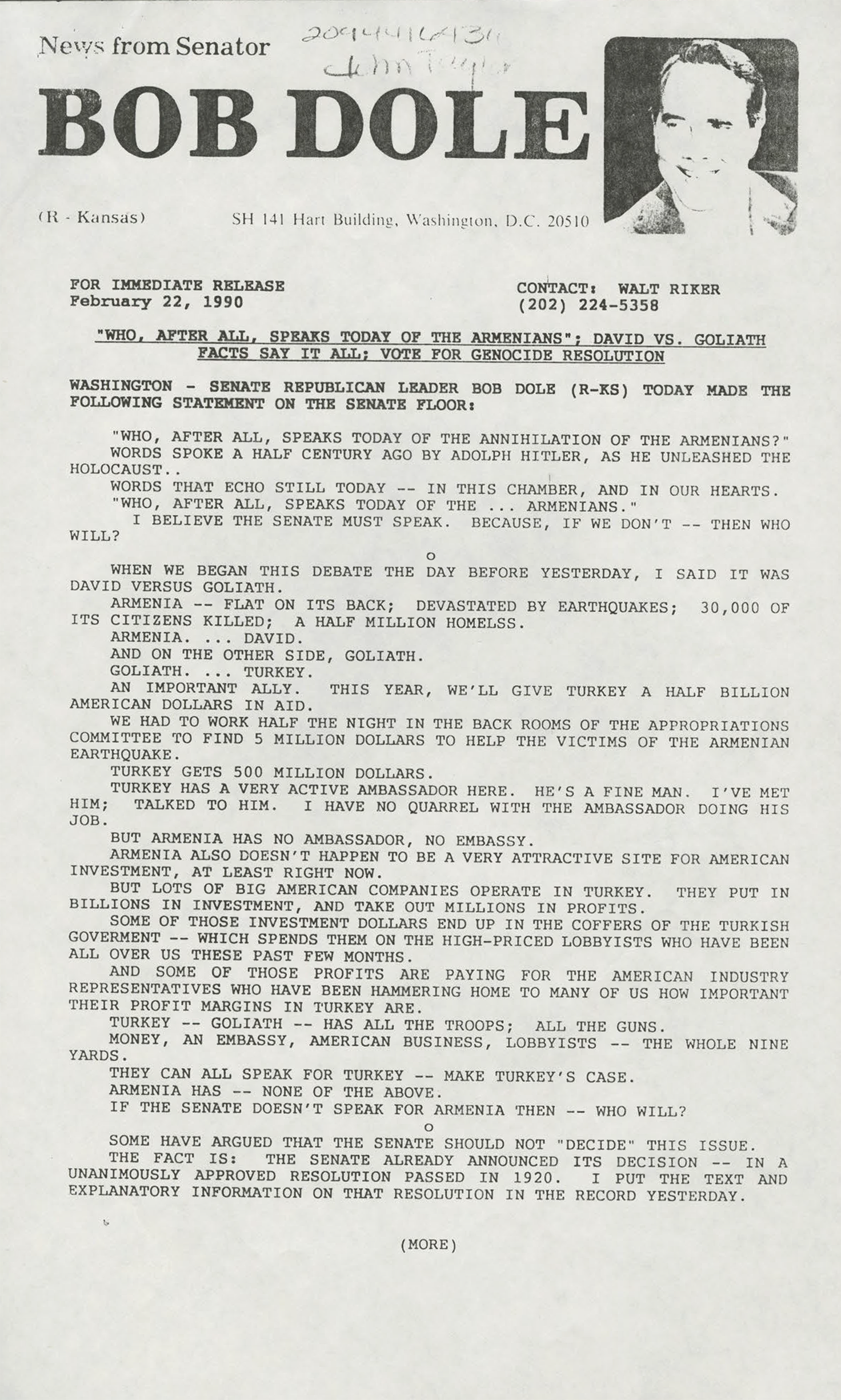
David v. Goliath
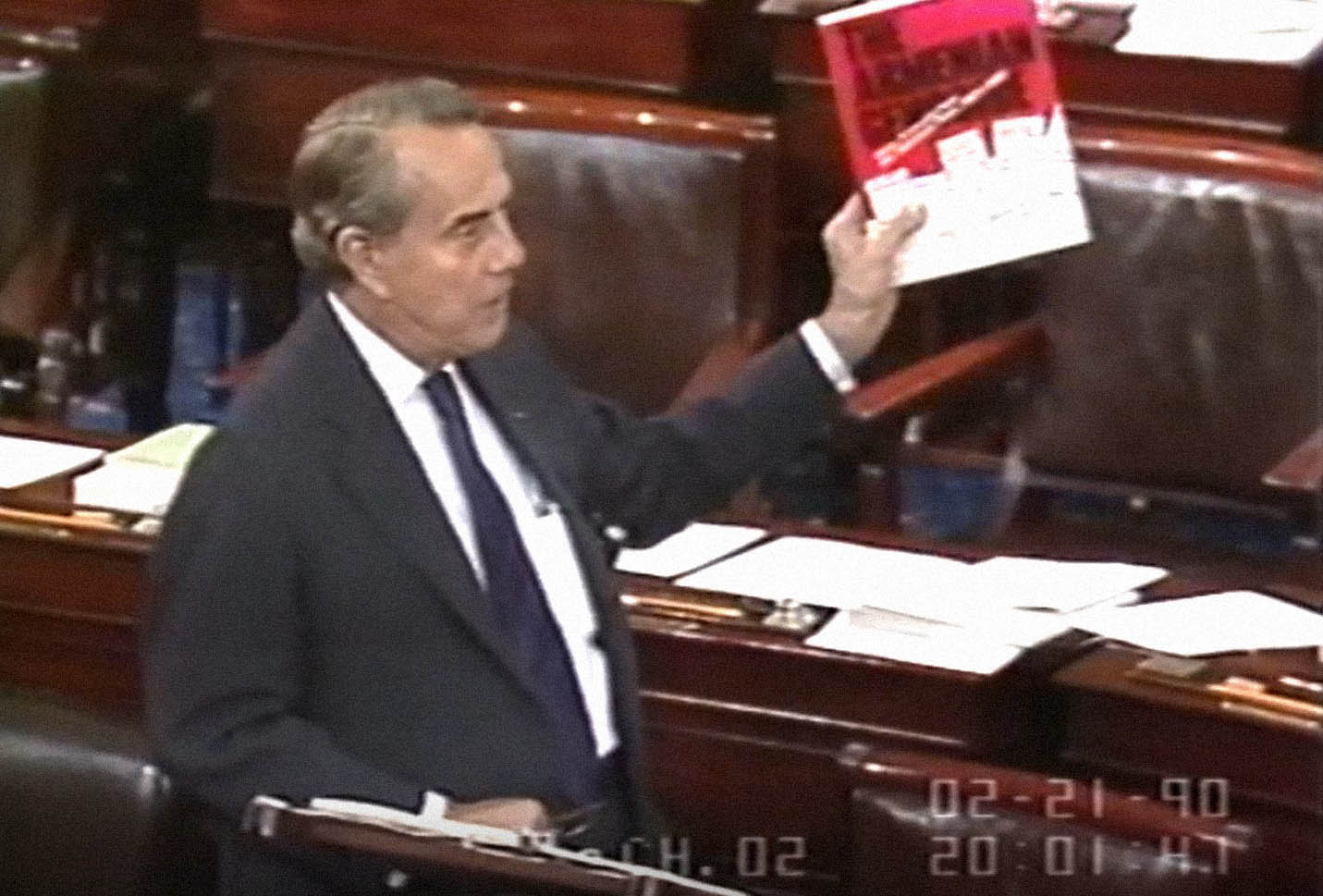
Senator Bob Dole on the Senate Floor. Image from C-SPAN.
“Maybe we can redeem ourselves a bit today by letting the world know that we do not always support the rich and the powerful and those with the most lobbyists.
Sometimes we judge right from wrong.”
— Senator Bob Dole, in a final plea for support on Senate Joint Resolution 212 to officially recognize the Armenian Genocide, February 22, 1990
A storm of lobbying began in Washington when Senator Bob Dole, joined by 62 co-sponsors, submitted a resolution to recognize the Armenian Genocide in September 1989.
President George H.W. Bush opposed the resolution despite a campaign promise to do otherwise. Turkey’s president, foreign minister, and ambassador were joined by a team of lobbyists pressuring the U.S. Senate to oppose the resolution. Dozens of American corporations voiced support for Turkey.
Inside the Senate, Dole contended with West Virginia Senator Robert Byrd, the former Democratic Leader, who did not want to offend a key NATO ally in Turkey. The debates on the Senate floor began in February 1990 reflected the complications faced by the U.S. in balancing geopolitical interests against humanitarian ideals.
Dole characterized this battle as one between “David and Goliath.”
Armenian American advocates began asking Congress to pass resolutions acknowledging the truth of the Armenian Genocide in the mid-1970s. They saw congressional action as one of the few avenues available, as a community with limited power and influence, to fight Turkey’s efforts to erase the Genocide from history.
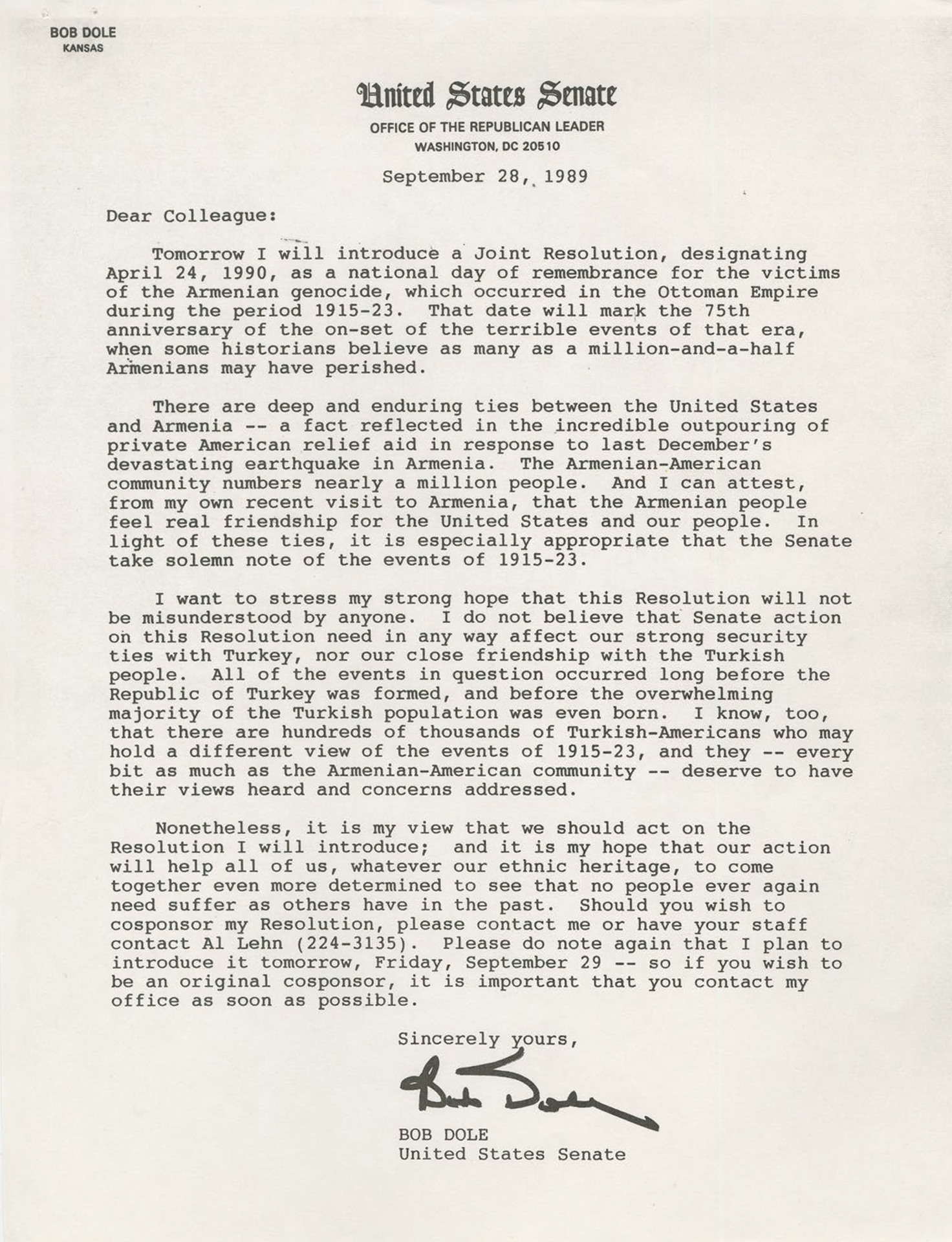
When they reached out to Senator Bob Dole in 1989, he agreed without hesitation to sponsor a resolution that would officially acknowledge the Armenian Genocide. On September 28, Dole sent a letter to his Senate colleagues informing them of the Joint Resolution and asking them to be a cosponsor.
Along with 62 cosponsors, Dole introduced Senate Joint Resolution 212 that would designate April 24, 1990, as “National Day of Remembrance of the 75th Anniversary of the Armenian Genocide of 1915-1923.”
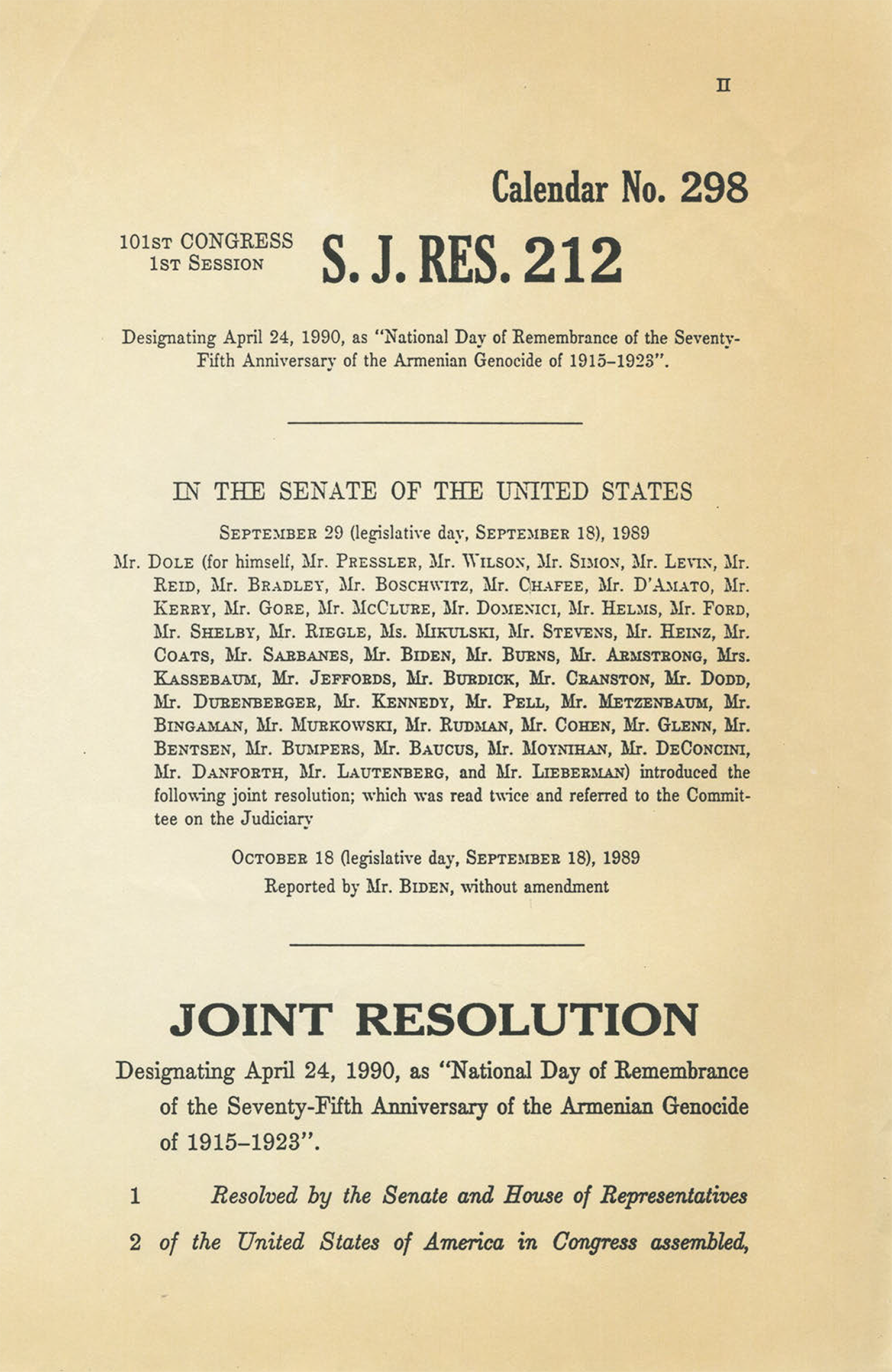
As soon as the resolution was introduced, Turkey and its allies began to lobby against it.
With additional pressure from the executive branch, cosponsors began to withdraw their support in fear of damaging the relationship with Turkey, a major NATO ally.
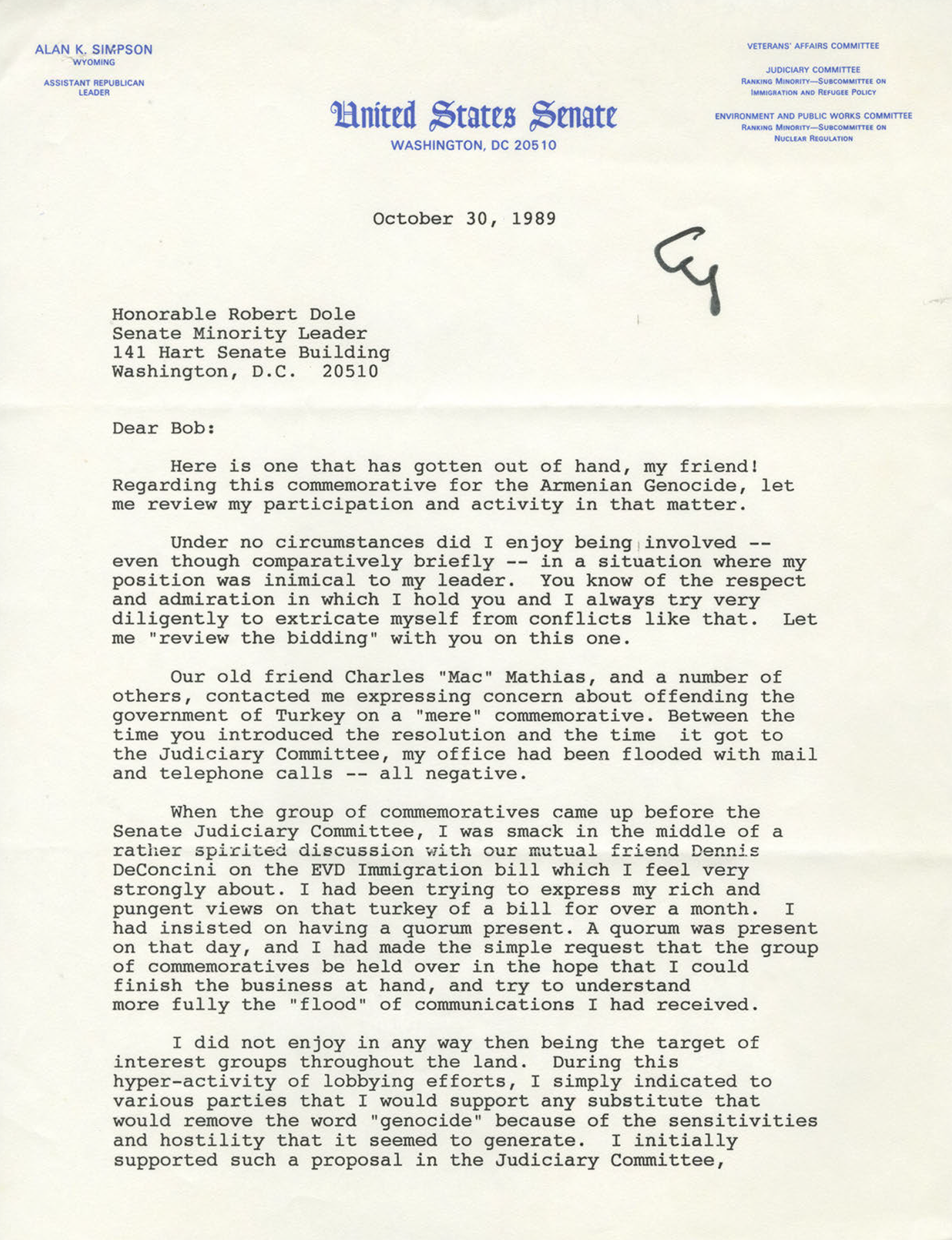
In a letter to Senator Dole on October 30, 1989, Republican Senator Alan Simpson wrote about the intense lobbying: “Between the time you introduced the resolution and the time it got to the Judiciary Committee, my office had been flooded with mail and telephone calls -- all negative.”
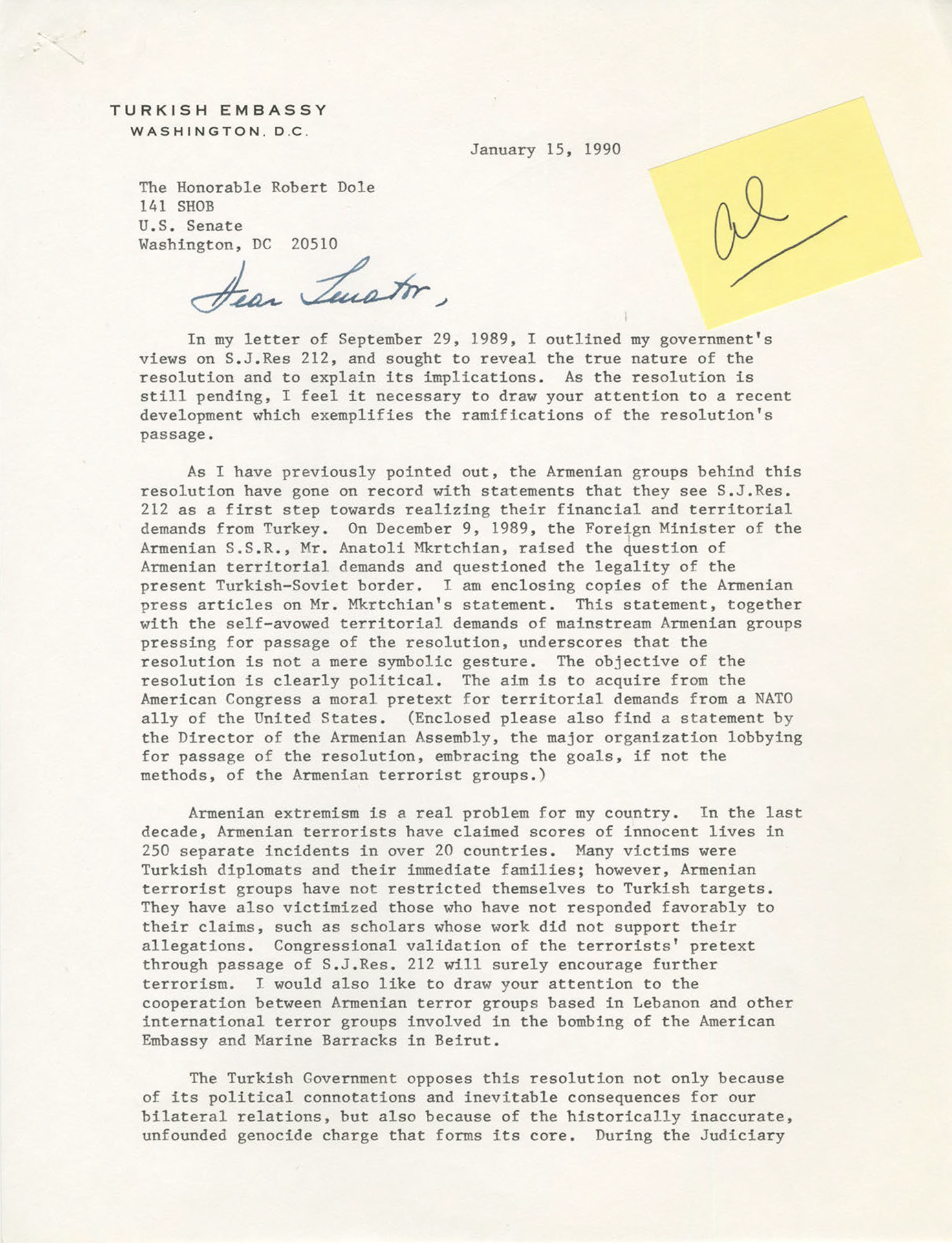
Below, a letter from the Turkish Ambassador outlining his country's perspective on the resolution.
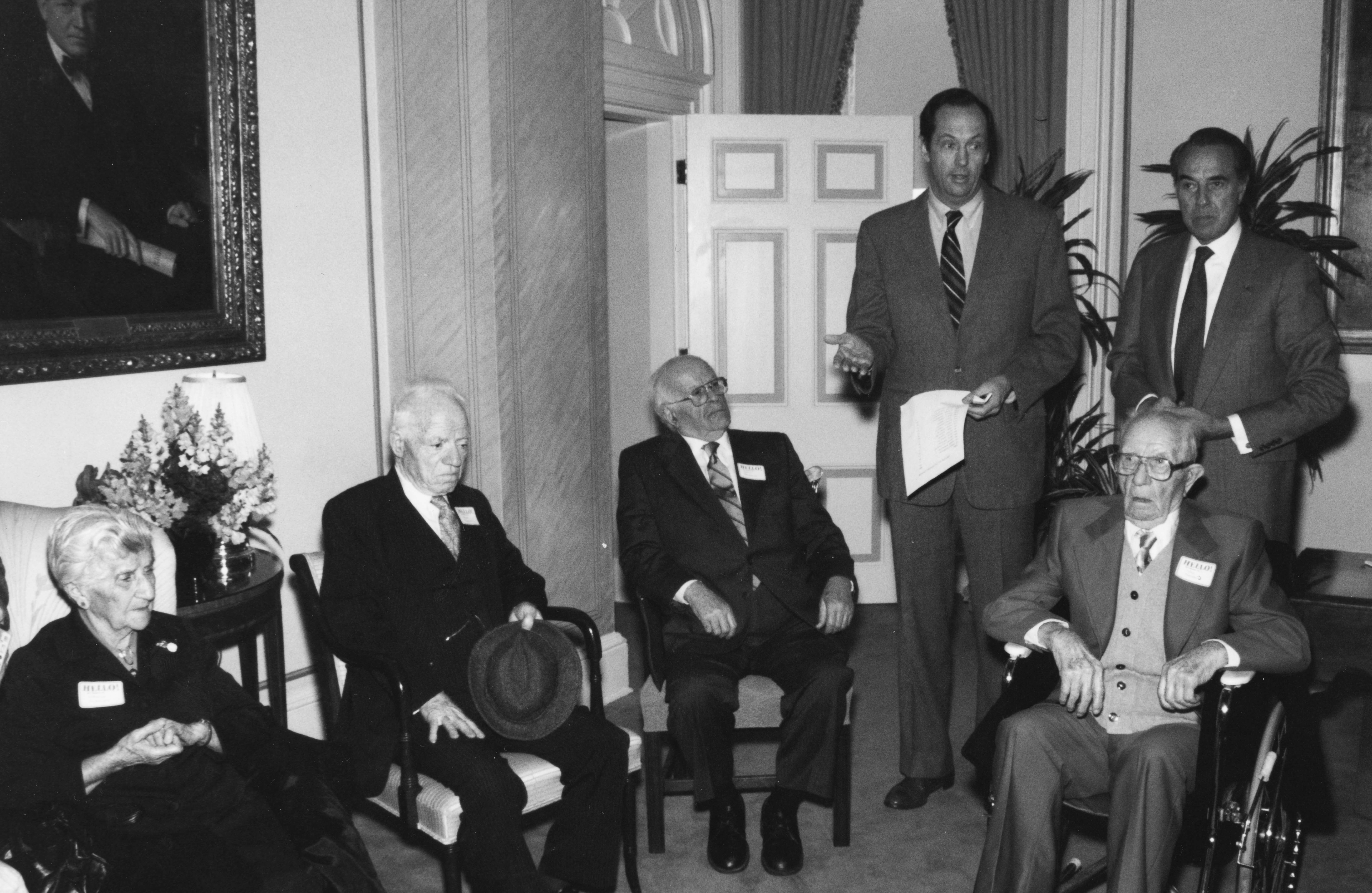
Survivors of the Armenian Genocide visited the Senate and Dole during the last days of debate on the resolution.
Debate on the Senate floor began in late February 1990, with West Virgina Senator and former Democratic Leader Robert Byrd leading opposition to the resolution. Those opposing the resolution knew the votes would be tight and might pass if submitted to a regular vote.
Byrd, a master parliamentarian, decided to instead use the filibuster to delay or block the vote.
Just before the Senate was set to vote on Byrd’s filibuster, Senator Dole made one last plea to his colleagues. Speaking of the power and wealth imbalance between Turkey and Armenia, he compared the countries to David and Goliath and asked “If the Senate doesn’t speak for Armenia then – who will?”
In a 49-49 vote on February 22, 1990, Byrd’s filibuster succeeded, ending Dole’s attempt to pass a Genocide resolution.